
Reaching out for help with alcohol addiction is a strong and brave step. If you live in British Columbia (BC), you have access to many confidential and effective services, from urgent support to long-term recovery programs.
First Steps Toward Getting Support
Starting recovery can feel like a lot to handle, but you don’t have to do it alone. In BC, one of the best places to begin is the province’s main alcohol and drug support line.
1. BC Alcohol and Drug Information and Referral Service (ADIRS)
ADIRS is a central resource for anyone in BC who wants help with alcohol or drug use. It offers:
- Free, confidential support: Get information and referrals for yourself, a friend, or a family member.
- Referrals to services: Staff can connect you with local detox (withdrawal management), counseling, treatment programs, recovery homes, and peer support groups.
| Contact Information | Details |
|---|---|
| Toll-Free: 1-800-663-1441 | Available 24 hours a day, 7 days a week, across BC. |
| Lower Mainland: 604-660-9382 |
2. Call HealthLink BC (8-1-1)
For non-emergency health information, including mental health and substance use, you can call 8-1-1 at any time. A health services navigator or registered nurse can offer advice and help you find the right services.
Understanding Your Treatment Options
Alcohol addiction treatment looks different for each person. A professional assessment, often done through a local mental health and substance use center or an addiction specialist, can help you figure out what kind of care fits your needs. Many people benefit from holistic treatment that supports physical health, emotional well-being, and social connections.
Withdrawal Management (Detox)
Detox is often the first step for people who are physically dependent on alcohol. Stopping or sharply reducing heavy drinking can be dangerous without proper support.
- What it is: A medically supervised process that helps you stop drinking safely and as comfortably as possible. Health staff monitor withdrawal symptoms and may use medication to reduce risk and discomfort.
- Goal: To stabilize your body and mind before beginning longer-term treatment. Detox on its own is not a full addiction treatment, so it should be followed by counseling, therapy, and ongoing support.
Counseling and Therapy
Counseling is a key part of recovery. It can help you understand your relationship with alcohol, build coping skills, and lower the risk of relapse.
- Individual counseling: One-on-one sessions with a trained counselor, psychologist, or therapist. Common approaches include Cognitive-Behavioral Therapy (CBT) and Motivational Interviewing.
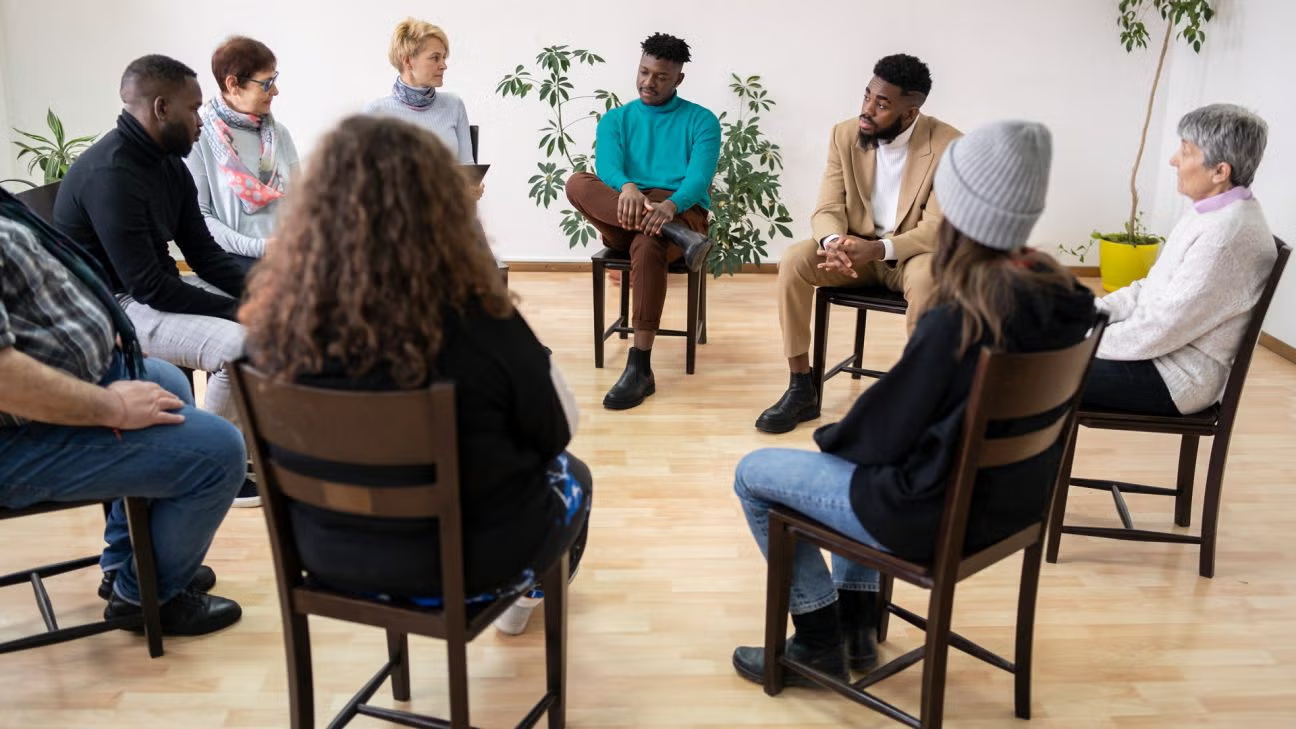
- Group counseling: Sessions with others who are also working on recovery, led by a professional. People share experiences, support one another, and learn practical tools together.
Bed-Based Treatment and Recovery Programs
Some people benefit from a live-in setting where they can focus fully on recovery without daily triggers.
- Residential treatment: Intensive, short-term programs (often 30 to 90 days) that offer group and individual counseling, education groups, and medical support. These programs use evidence-based approaches and focus on building recovery skills and healthy routines.
- Supportive recovery residences: Safe, structured homes that offer daily support and routine. These are often a good option after a more intensive residential program, or for people who want a stable place to live while focusing on sobriety.
Government-Funded and Community Services
The BC government and regional health authorities fund many addiction services, which may be low-cost or free.
- BC Mental Health & Substance Use Services (BCMHSUS): Offers specialized services for people with complex mental health and substance use needs. This includes programs at places like the Red Fish Healing Centre and the Heartwood Centre for Women.
- Regional health authorities: In most areas, services are run by your local health authority (Fraser Health, Interior Health, Island Health, Northern Health, or Vancouver Coastal Health). They can direct you to nearby programs and clinics.
- Publicly funded beds: BC provides funded treatment and supportive recovery beds across the province. ADIRS can help you locate and apply for these spaces.
Peer and Social Support Groups
Peer support groups provide ongoing encouragement from people who have faced similar struggles. These groups are usually free and widely available in communities across BC.
| Group Type | Focus |
|---|---|
| Alcoholics Anonymous (AA) | A well-known 12-step program for people who want to stop drinking and stay sober. |
| Al-Anon/Alateen | Support for family members and friends of people with alcohol problems. Alateen is designed for teenagers. |
| LifeRing Secular Recovery | A non-religious peer support option for people who want to live alcohol-free. |
Helpful Links and Contacts
- BC Alcohol and Drug Information and Referral Service (ADIRS)
- Phone: 1-800-663-1441 (24/7, toll-free)
- Offers information and referrals to local addiction services across BC.
- HealthLink BC (8-1-1)
- Phone: 8-1-1 (24/7)
- Website: https://www.healthlinkbc.ca/mental-health-and-substance-use/substance-use/alcohol
- Provides general health, mental health, and substance use information and advice.
- BC Mental Health & Substance Use Services (BCMHSUS)
- Website: https://www.bcmhsus.ca/
- Information on specialized provincial mental health and substance use programs.
- BC Centre on Substance Use (BCCSU) – Recovery Services in BC
- Website: https://www.bccsu.ca/bc-recovery-services/
- Details on types of recovery and treatment services across BC.
- Alcoholics Anonymous (AA) in BC/Yukon
- Website: https://bcyukonaa.org/
- Search for in-person and online AA meetings.
- Al-Anon/Alateen in BC/Yukon
- Website: https://bcyukon-al-anon.org/
- Phone: 1-888-4AL-ANON (1-888-425-2666)
- Support for friends and family members affected by someone else’s drinking.
Remember: Recovery is personal, and reaching out for help shows strength. If you live in British Columbia, you have many supports available to help you move toward a safer and healthier life.


